Hawaii Luaus
Posted on January 29, 2019
History of Hula

History of Hula
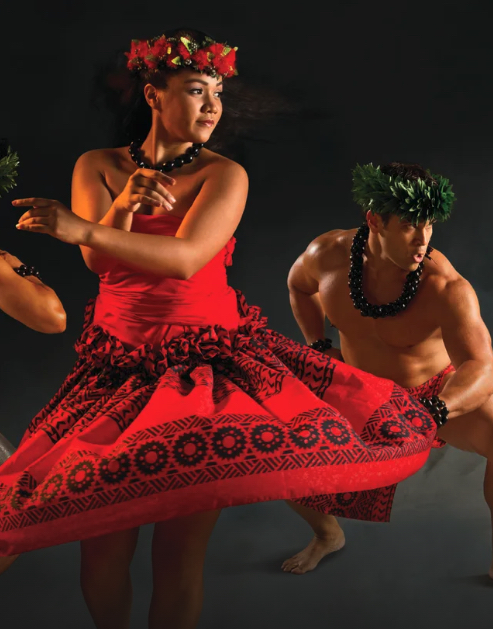
What do you think of when you imagine Hawaii? Even if you’ve never visited before, it’s a safe guess that “Hula” was one of the first words to come to mind. And with good reason: hula is one of the most deeply rooted and vividly alive expressions of Hawaiian culture.
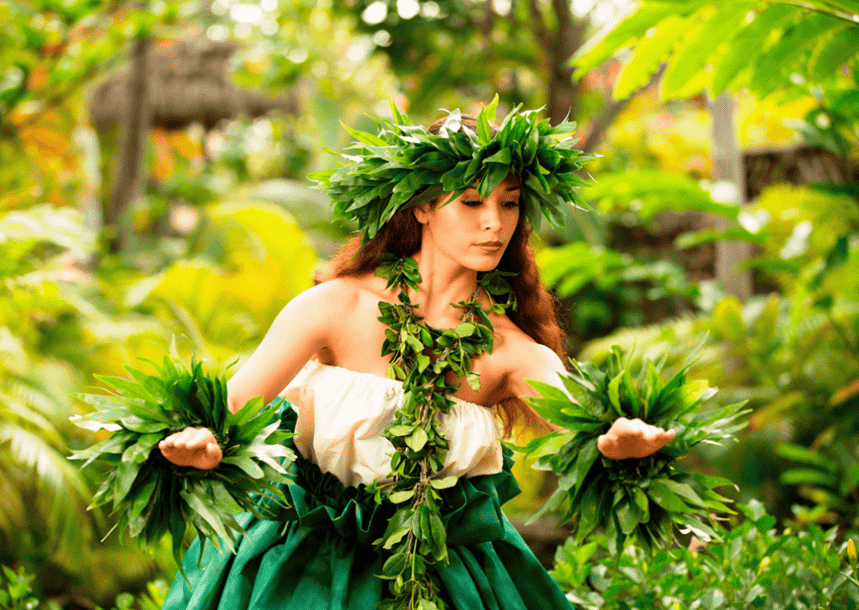
You may have an image of beautiful girls in grass skirts moving gracefully to soft music in your head now. You’re not completely wrong. Some styles of hula do look like that. But there’s much more to this rich tradition than just beautiful movement in exotic costumes.
Legendary Hula
Hula is very prominent in Hawaiian mythology, although there are differing stories about its origin. Did Laka, the goddess of dance, give birth to hula on the island of Molokai or did the forest goddess Hi’iaka invent it to calm her fiery sister Pele, the mistress of volcanoes? Maybe it was Pele’s expression of joy when she finally found a home where the waves of the ocean couldn’t reach her: deep within the craters of the Big Island of Hawaii. Whoever you ask, you may hear different legends, each one colorful and exciting in its own way.
Origins of Hula
Historians believe the first Polynesian voyagers who made the long journey to Hawaii came from the Marquesa Islands, Tahiti, and Samoa. Similar styles of dance and storytelling exist on all the Polynesian Islands. However, hula is a distinct art form that developed over time on the Hawaiian Islands.
Hula Kahiko
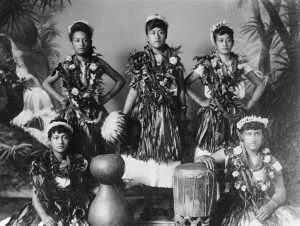
Hula kahiko refers to hula as it was before Western culture started to influence Hawaii. Generally speaking, hula movements and chants that were developed before the overthrow of the Hawaiian monarchy are considered kahiko. Hula kahiko is performed standing or sitting and includes the use of traditional musical instruments. Instruments include drums and rattles made of gourds, shark skin, bamboo, and lava stone.
Hula kahiko includes ‘oli, or chanting. The song and movement complement each other to tell stories or prayers. Hula kahiko is performed by both men and women, although seldom, if ever, together.
The History of Hula: 19th Century Bans
The history of hula is not without conflict. American missionaries first came to Hawaii in the early 19th century. They considered the hula tradition to be an expression of a pagan religion. For many years, laws banned public hula performances. Chanting, singing, and storytelling—all closely tied to hula—took an additional hit when the teaching of the Hawaiian language was prohibited in schools in 1896.
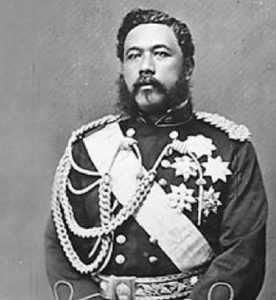
Throughout the 19th century, the Hawaiian royalty and people stuck to their old ways despite the ban. King Kalakaua, known as the Merrie Monarch, did more than anyone else to revive and encourage the culture and traditions of hula.
With the rise of tourism in the 20th century, the art form became known throughout the world. Many of the old songs and chants were lost. However, this allowed artists to create new interpretations and inventions; a whole new kind of hula was born. Today most luaus present an eclectic show of old and new, local dance, and other Polynesian styles.
Hula Auana
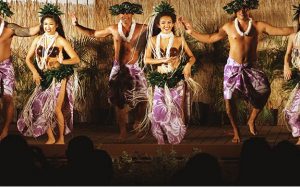
Modern hula, called hula auana, developed under the influence of Western culture. It is often accompanied by musical instruments, such as the guitar and ukulele, that were introduced by newcomers to the islands. This style of dance is often marked by graceful movement paired with melodious music and singing, although it can also be quite lively.
Today, both hula kahiko and hula auana are alive and very popular in Hawaii. If you go to a public event, a luau, or other traditional ceremonies, you will likely see dancers gracefully performing this ancient style of dance.
As most luaus try to educate guests on the culture and history of the islands, a hula demonstration or lesson is usually part of the entertainment.
 History of the Luau
History of the Luau As you look forward to traveling to this beautiful tropical oasis, we’d like to take you
Read More >> Hawaiian Hula: Yesterday and Today
Hawaiian Hula: Yesterday and Today In Hawaiian culture, the hula dancer is a storyteller. And, as is the case in
Read More >> How Kamehameha II Broke the Taboos
How Kamehameha II Broke the Taboos Hawaii is an enchanting place to visit, with beautiful weather, gorgeous landscapes, a relaxed
Read More >>Get started by Picking Your Island
We Compare The Best Luaus On The Island So You Can Choose The One That's Best For You


